
Underwater
Antifouling Coatings: Function, Layer Structure and Application Principles
Marine organisms accumulating below the waterline increase both drag and fuel consumption. Antifouling coatings are designed to limit this accumulation, and their effectiveness depends on the correct layer structure.
Short answer
An antifouling system consists of a prepared substrate, a compatible primer and coats applied according to the manufacturer instructions. Effectiveness is determined by the number of coats, drying time and application conditions.
Key points
- Antifouling is a system that limits the accumulation of marine organisms.
- Compatibility of layers and drying times determine effectiveness.
- The type should be chosen according to operating conditions.
1. Introduction#
Marine organisms accumulating below the waterline reduce vessel speed and increase fuel consumption. Antifouling coatings are protective systems designed to limit the attachment of this accumulation. This study addresses the layered structure of the system and the principles of its application.
2. Layer Structure#
Figure 1 shows the three layers of the underwater system. The substrate, primer and antifouling layer must be mutually compatible. An incompatible primer may cause the antifouling layer to separate or reduce its effectiveness.

3. Application Principles#
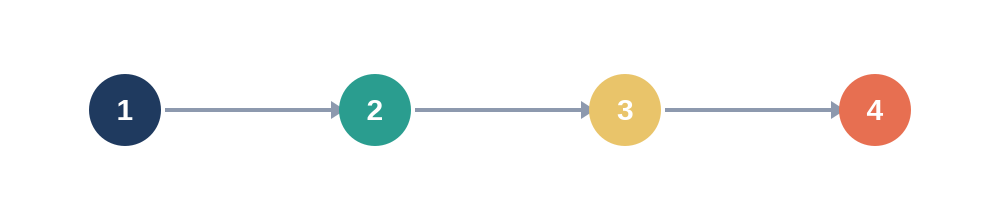
Figure 2 shows the application in four stages. At each stage, following the manufacturer instructions and respecting the drying time between coats are the preconditions for the system to perform.
4. Discussion#
The choice of antifouling type relates to how often the vessel is used and to water conditions. A type selected for a rarely used vessel may not perform as expected on a vessel used frequently. The choice should therefore be made with the usage profile in mind.
5. Conclusion#
- Antifouling is a system that limits the accumulation of marine organisms.
- Compatibility of layers and drying times determine effectiveness.
- The type should be chosen according to the usage profile.
Was this guide helpful?
Thank you! Your feedback has been saved.
Guide content is for general information; in practice, the current technical data sheet of the product applies.
Keep reading
Related guides
Buying Biocidal Antifouling in Germany: The New Rules
Since 1 January 2025 the sale of biocidal antifouling in Germany has been restricted under ChemBiozidDV: a self-service ban, knowledgeable staff and a documented sales consultation. This article explains the logic and limits of the rules.
11 min read UnderwaterInternational Ultra 300 and Ultra 2 Hard Antifouling: Which Boat Is It For?
Hard antifouling is described as an option that emphasises low friction and cleanability on fast, frequently used boats. This article uses Ultra 300 and Ultra 2 to explain hard matrix logic, suitability questions and limits.
11 min read UnderwaterUnderwater Hull Cleaning: Diver, Robot and Shore-Washing Methods
Hull cleaning is not one method but a family of methods with different risks and benefits. This article explains the logic of diver, robot and shore washing, their effect on antifouling coatings and the environmental concerns in general terms.
11 min read