
Paint and Coatings
Putty and Surface Levelling: The Structural Basis of Paint Quality
The appearance and durability of paint depend on the quality of the surface beneath it. Levelling is the basic stage at which this quality is secured.
Short answer
Surface levelling consists of filling defects with putty, stepwise sanding after full curing, and cleaning. Each step determines the quality of the next.
Key points
- Paint reflects the defects of the surface as they are.
- Putty should be chosen to suit the surface.
- Sanding should be carried out in stages.
1. Introduction#
Paint makes every irregularity of the surface to which it is applied visible. For this reason, paint quality often results not from the paint itself but from the preparation of the surface before painting. This study aims to explain the principles and steps of levelling.
2. Levelling Flow#
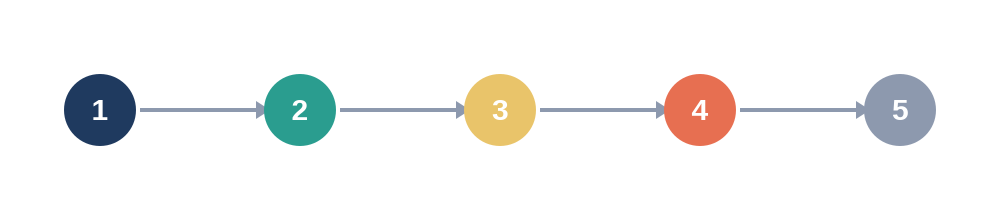
Figure 1 shows the five stages of the levelling operation. The stages are sequential: filling cannot be carried out without identifying the defects, and sanding cannot be carried out before full curing.
3. Stepwise Sanding#
Figure 2 shows, schematically, the progression of abrasive grades used in stepwise sanding. The bars express the relative fineness of each step; each step is carried out with a finer abrasive than the previous one. This approach ensures that marks of the previous step do not remain on the surface.

4. Discussion#
The most common error in levelling is sanding putty before it has fully cured. In this case the putty tears away from the surface and the defect remains in place. Likewise, a step skipped in the final sanding leaves a visible trace after painting. For this reason the steps must be carried out in order and without omission.
5. Conclusion#
- Levelling is the basic stage that determines the appearance and durability of paint.
- Putty type should be chosen to suit the surface.
- Sanding should be carried out in stages and without omission.
Was this guide helpful?
Thank you! Your feedback has been saved.
Guide content is for general information; in practice, the current technical data sheet of the product applies.
Keep reading
Related guides
Awlgrip in Hot Weather: Fast Drying, Dry Spray and Choosing a Reducer
As temperature rises, solvent leaves quickly, paint pulls fast and the wet edge shortens. This article explains the logic of hot-weather problems, the reducer families the maker separates by temperature band, and their limits.
11 min read Paint and CoatingsHow to Read the Awlgrip Topcoat Technical Data Sheet: Solids, Dry Film, Cure Time
A data sheet is not a recipe card; it is a reference written for specific conditions. This article explains how to read the solids, dry film, wet film, coverage and cure lines, and where their limits lie.
13 min read Paint and CoatingsThe Fisheye Paint Defect: The Contamination Chain and Prevention
A fisheye is a crater-like defect where paint pulls away from a contamination point on the surface. This article explains the contamination chain, why silicone is special and the logic of prevention in general terms.
11 min read