
Decision Guide
Determinants of Yacht Painting Duration: From Scope to Schedule
Painting duration cannot be stated as a single figure; it is the sum of the components of the scope. This study explains the duration by breaking it into these components.
Short answer
Yacht painting duration is determined by the sum of surface condition, preparation scope, number of coats and drying conditions. An exact duration can only be given after an inspection in which the work is clearly defined.
Key points
- Duration is determined by the components of the scope.
- Drying conditions directly affect the schedule.
- An exact duration is set after inspection.
1. Introduction#
The duration of a yacht painting job varies widely with its scope. For this reason, estimating duration from a general average does not produce a realistic schedule. In this study, duration is explained through the components of the scope.
2. Components That Form the Duration#
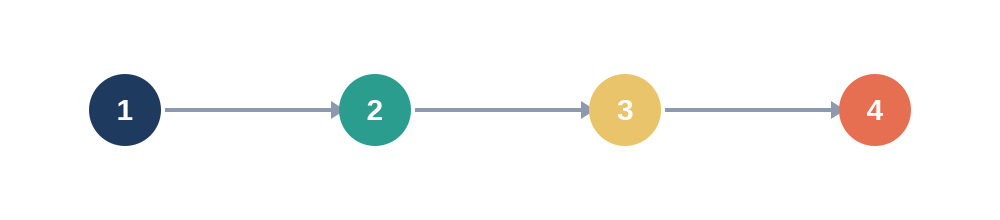
Figure 1 shows the four main components of painting duration: preparation, coat application, drying and inspection. Each component depends on a different aspect of the scope and contributes separately to the total duration.

3. Schedule Construction Flow#
Figure 2 shows, in four steps, how a schedule is built from the scope. The first two steps remove most of the uncertainty about duration.
4. Discussion#
Drying conditions are the least controllable component. Temperature and humidity directly affect the speed of application and drying. A schedule calculated only under ideal conditions therefore does not yield a realistic result.
5. Conclusion#
- Duration is determined by the components of the scope.
- Drying conditions directly affect the schedule.
- An exact duration should be given after an inspection in which the work is clearly defined.
Was this guide helpful?
Thank you! Your feedback has been saved.
Guide content is for general information; in practice, the current technical data sheet of the product applies.
Keep reading
Related guides
The 25 Most Asked Yacht Maintenance Questions: Teak, Safety, Propeller and Bilge
Short answers to the 25 most asked questions on teak, paint safety, propellers and bilges. Each answer rests on the sources in our detailed guides.
9 min read Decision GuideYacht Paint Safety: Isocyanate, Solvent Vapour, Ventilation and Waste Paint
Paint is not just a surface job; it carries breathing, fire and skin risks. We explain isocyanate in polyurethane, solvent vapour, ventilation, protective equipment and waste handling, based on sources.
10 min read Decision GuideAnnual Yacht Paint Maintenance Calendar: A Step-by-Step Guide for Spring, Summer, Autumn and Winter
Paint maintenance is cheaper and easier when spread across the seasons. We explain what to do in spring, summer, autumn and winter and the monthly-to-annual rhythm.
10 min read