
Paint and Coatings
Painting Plan After Haul-Out: Managing Time Ashore
Haul-out gives access to the whole hull, a rare opportunity. Using this opportunity well depends on the correct sequencing of the work.
Short answer
Painting after haul-out follows an ordered plan: hull cleaning, inspection, repairs, primer and coat application, and a final check. Repairs must be completed before painting.
Key points
- Time ashore gives access to the whole hull.
- Inspection and repairs must be completed before painting.
- Drying times should be included in the schedule.
1. Introduction#
Hauling a vessel out gives access to the whole hull, including the underwater section. This access means that inspection, repair and painting work that cannot be carried out in the water can be done in a single window. This study explains how that window should be planned.
2. Sequencing of Work#
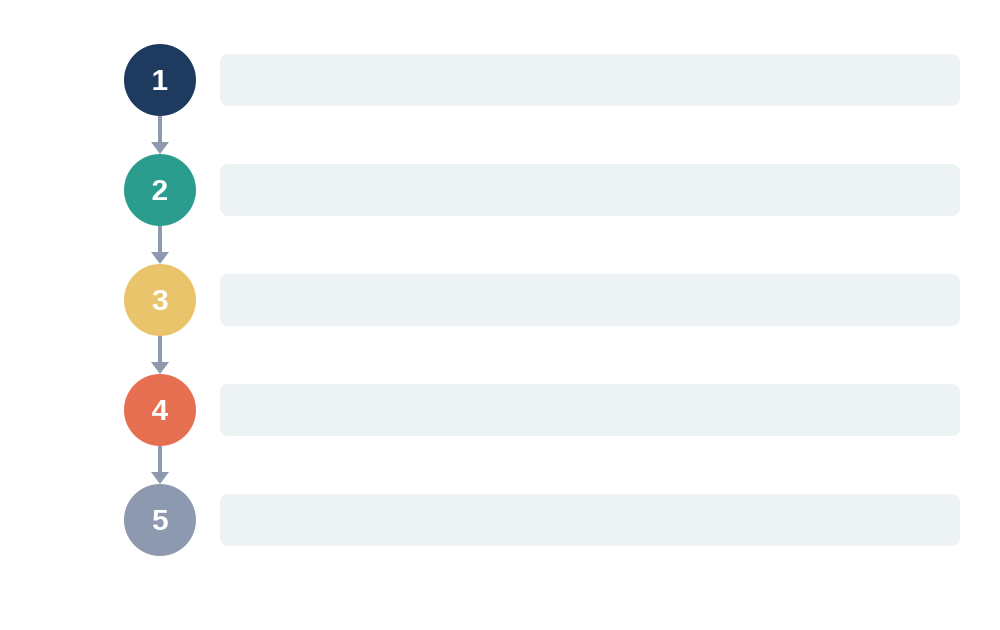
Figure 1 shows the sequence of work after haul-out in five stages. The sequence rests on a chain logic in which the output of one task is the input of the next.
3. Drying and Waiting Periods#
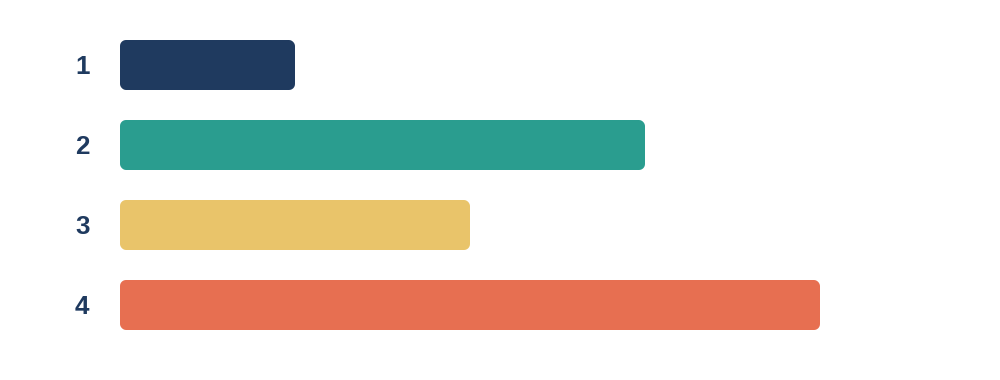
Figure 2 shows, schematically, the components of the time spent ashore. The bars express only relative magnitudes. Drying periods are the least predictable component of repair and painting work, so it is advisable to allow a separate margin for them in the schedule.
4. Discussion#
The most common inefficiency in haul-out work is starting to paint without completing the inspection. In this case, a problem found later in the hull requires part of the painting to be redone and extends the time ashore. For this reason the inspection must be completed before painting begins.
5. Conclusion#
- Time ashore is an opportunity that gives access to the whole hull.
- Inspection and repairs must be completed before painting.
- Drying times should be included in the schedule.
Was this guide helpful?
Thank you! Your feedback has been saved.
Guide content is for general information; in practice, the current technical data sheet of the product applies.
Keep reading
Related guides
Awlgrip in Hot Weather: Fast Drying, Dry Spray and Choosing a Reducer
As temperature rises, solvent leaves quickly, paint pulls fast and the wet edge shortens. This article explains the logic of hot-weather problems, the reducer families the maker separates by temperature band, and their limits.
11 min read Paint and CoatingsHow to Read the Awlgrip Topcoat Technical Data Sheet: Solids, Dry Film, Cure Time
A data sheet is not a recipe card; it is a reference written for specific conditions. This article explains how to read the solids, dry film, wet film, coverage and cure lines, and where their limits lie.
13 min read Paint and CoatingsThe Fisheye Paint Defect: The Contamination Chain and Prevention
A fisheye is a crater-like defect where paint pulls away from a contamination point on the surface. This article explains the contamination chain, why silicone is special and the logic of prevention in general terms.
11 min read