
Paint and Coatings
Yacht Painting Process: Planning, Application and Quality Control
This study treats yacht painting as an engineering process and explains how each stage affects the stage that follows.
Short answer
Yacht painting is an interdependent process made up of preliminary inspection, surface preparation, primer, intermediate coat, top coat and inspection. The omission of any stage is the source of damage that appears later.
Key points
- Yacht painting is an engineering process made of interdependent stages.
- Surface preparation is the most influential stage for coating durability.
- Quality control should be documented at every stage.
1. Introduction#
The hull of a vessel is continuously exposed to sea water, sunlight and mechanical abrasion. Yacht painting applied to protect it should be understood not only as an aesthetic operation but as a structural protection measure. The aim of this study is to describe the yacht painting process together with its stages and to show the dependencies between them.
2. Theoretical Framework#
A coating system consists of layers on a surface, each with a distinct function. The primer provides adhesion between the substrate and the coating; the intermediate coat determines film thickness and filling properties; the top coat resists external exposure directly. A weakness in any link of the process therefore reduces the performance of the whole system.
3. Application Process#
The process shown in Figure 1 consists of six principal stages. Each stage depends on the result of the previous one, and the start of a stage presupposes that the preceding stage has been completed to a measurable standard.
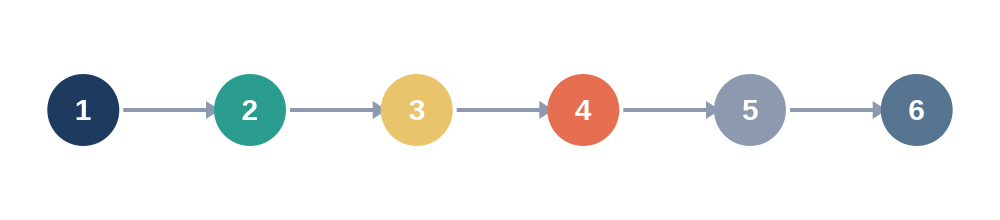
During preliminary inspection, the present condition of the hull and deck is recorded. In surface preparation, old coatings, contamination and loose layers are removed. Primer application forms the bond between the coating system and the substrate. Intermediate and top coats are applied according to the film thickness and curing conditions specified by the manufacturer.
4. Structure of the Coating System#
The typical coating system in Figure 2 is represented as a four-layer cross-section. The substrate, primer, intermediate coat and top coat must be mutually compatible. Incompatible layers may separate or blister under temperature change.

5. Discussion#
Most failures observed in practice arise from omitted stages or from curing times that were not respected. For this reason, keeping a record at each stage and defining control checkpoints increases the predictability of the outcome.
6. Conclusion#
- Yacht painting is an engineering process made of interdependent stages.
- Surface preparation is the most influential stage for durability.
- Layers of the coating system should be selected to be mutually compatible.
- Recording a control entry at each stage makes the result traceable.
Was this guide helpful?
Thank you! Your feedback has been saved.
Guide content is for general information; in practice, the current technical data sheet of the product applies.
Keep reading
Related guides
Awlgrip in Hot Weather: Fast Drying, Dry Spray and Choosing a Reducer
As temperature rises, solvent leaves quickly, paint pulls fast and the wet edge shortens. This article explains the logic of hot-weather problems, the reducer families the maker separates by temperature band, and their limits.
11 min read Paint and CoatingsHow to Read the Awlgrip Topcoat Technical Data Sheet: Solids, Dry Film, Cure Time
A data sheet is not a recipe card; it is a reference written for specific conditions. This article explains how to read the solids, dry film, wet film, coverage and cure lines, and where their limits lie.
13 min read Paint and CoatingsThe Fisheye Paint Defect: The Contamination Chain and Prevention
A fisheye is a crater-like defect where paint pulls away from a contamination point on the surface. This article explains the contamination chain, why silicone is special and the logic of prevention in general terms.
11 min read